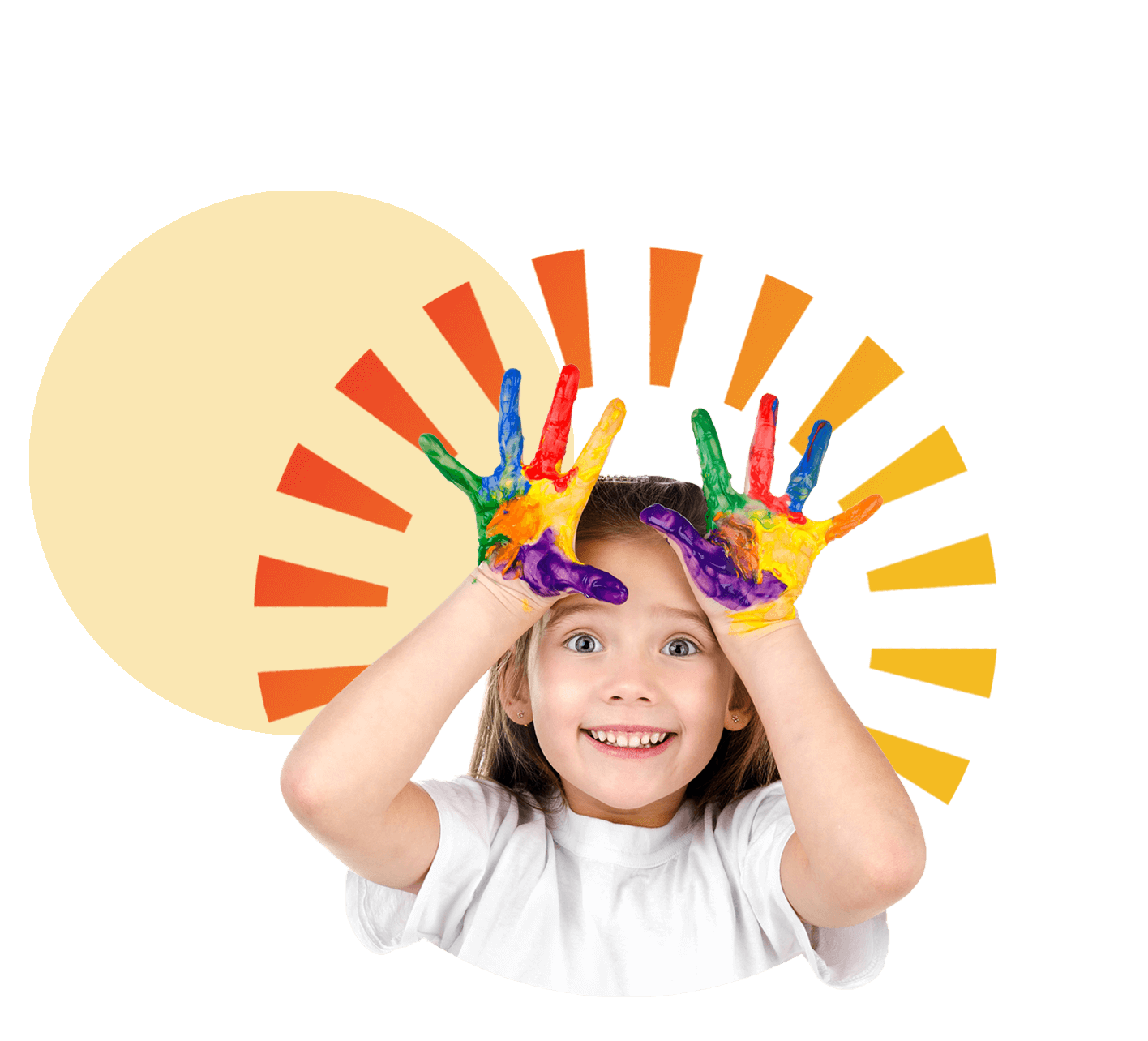

Play-based ABA therapy, often referred to as Naturalistic Developmental Behavioral Intervention (NDBI), improves social skills by embedding therapeutic goals within child-led, motivating activities. Instead of using repetitive drills, this approach focuses on natural interactions to build meaningful social connections.
Play-based therapy improves social skills through the following methods:
- Targeting Pivotal Areas: Using Pivotal Response Treatment (PRT), therapists focus on self-initiation and motivation. By encouraging a child to initiate social interactions during play, they gain skills that naturally generalize to other real-world settings.
- Joint Play Routines: The Early Start Denver Model (ESDM) utilizes shared play activities to foster imitation and social engagement. Following the child’s lead during these routines makes learning feel like a relationship-based interaction rather than a clinical exercise.
- Natural Reinforcement: Learning occurs during favorite activities, such as building blocks or pretend play. Because the reinforcement is directly related to the activity (like getting a desired toy after a social request), the child is more motivated to engage socially.
- Real-Life Practice: By practicing social skills during daily routines at home—such as sharing a snack or playing with siblings—children learn how to apply social behaviors in the environments where they need them most.
- Modeling and Choice-Making: Therapists and parents model social language and encourage children to make choices during play, which builds the foundation for functional communication and social independence.
Related FAQs
-
How can I Tell if my Child’s Communication Challenges Warrant an Aba Therapy Evaluation?
Read More »: How can I Tell if my Child’s Communication Challenges Warrant an Aba Therapy Evaluation?Identifying whether your child’s communication challenges warrant a professional Applied Behavior Analysis (ABA) therapy evaluation involves observing specific developmental red flags and patterns. We encourage parents to look for indicators that suggest a child may need extra support building their…
-
What are the Common Behavioral Signs that a Child might Benefit from Aba Therapy?
Read More »: What are the Common Behavioral Signs that a Child might Benefit from Aba Therapy?Identifying the early indicators that a child may benefit from support is a courageous first step for any family. We encourage parents to look for specific patterns in communication, social interaction, and behavior that may suggest a BCBA evaluation would…
-
Why is Generalization Important for Children in Aba Therapy?
Read More »: Why is Generalization Important for Children in Aba Therapy?Skill generalization is a vital component of Applied Behavior Analysis (ABA) therapy because it ensures that the progress your child makes during therapy sessions translates into real-world independence. Without generalization, a child might master a skill in a controlled setting…
-
How can I Help my Child Apply Skills Learned in Therapy to School?
Read More »: How can I Help my Child Apply Skills Learned in Therapy to School?Helping your child transfer skills from therapy to the classroom is a collaborative process, and you’re not on your own in this journey. We use several strategies to bridge the gap between home-based therapy and the school environment: WE COUNT…
-
Do I Need a Formal Autism Diagnosis to Start Aba Therapy in Virginia?
Read More »: Do I Need a Formal Autism Diagnosis to Start Aba Therapy in Virginia?Yes, to begin Applied Behavior Analysis (ABA) therapy in Virginia, a formal autism diagnosis from a qualified professional is required. This diagnosis must be based on DSM-5 criteria and is established through a comprehensive diagnostic evaluation for autism, which typically…
