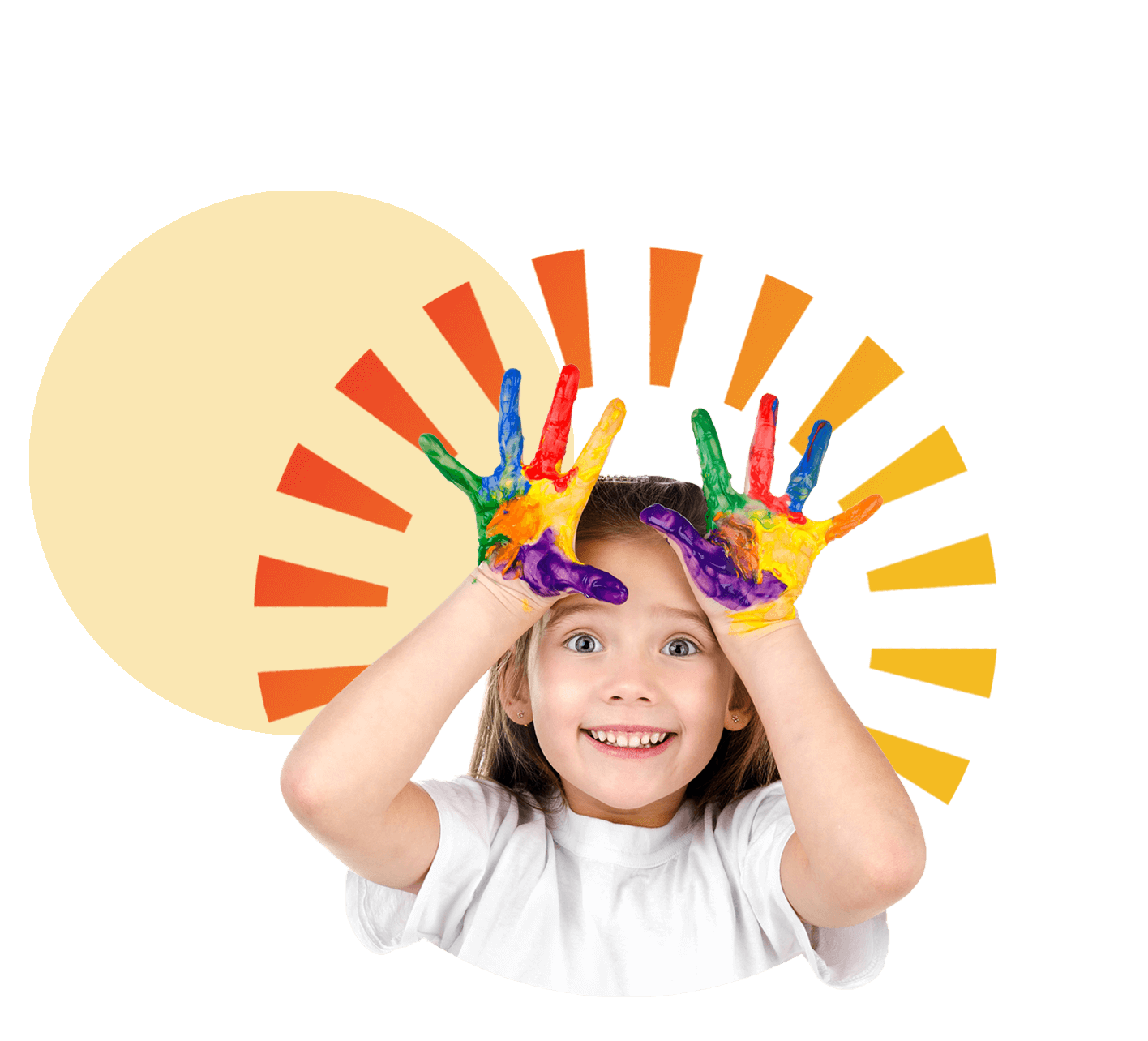

When we use play-based ABA to teach social skills, we move away from structured tabletop drills and instead embed learning targets directly into the activities your child already enjoys. This naturalistic approach meets your child where they learn best—in the middle of everyday life in the living room, kitchen, or backyard.
Our therapists use several evidence-based strategies to build these essential social connections:
- Natural Environment Teaching (NET): We transform routine moments into social classrooms. For example, during a game of blocks, a therapist might pause to encourage turn-taking or use a favorite toy to practice joint attention and making requests.
- Pivotal Response Treatment (PRT): This strategy focuses on “pivotal” areas like motivation and self-initiation. By following your child’s lead and letting them choose the activity, we shift the motivation to communicate from an external prompt to an internal desire.
Through these play-based interactions, we help children develop a variety of social skills, including:
- Social communication, such as gesturing or using words to express feelings.
- Initiating interaction, like tapping a friend to play tag or bringing a book to a parent.
- Turn-taking during games or shared activities.
We provide 1:1 therapy with Registered Behavior Technicians (RBTs) under the expert guidance of our BCBAs to ensure these skills generalize, meaning your child can use them with different people and in different settings. WE COUNT ON OUR PARENTS to be active partners in this process, and we provide the training you need to weave these strategies into your daily routine. You’re not on your own.
Results may vary based on individual patient circumstances; please consult with a healthcare professional for diagnosis or treatment advice.
Related FAQs
-
What is the Role of a Bcba in a Child’s Aba Program?
Read More »: What is the Role of a Bcba in a Child’s Aba Program?In a child’s Applied Behavior Analysis (ABA) program, a Board Certified Behavior Analyst (BCBA) serves as the clinical architect and supervisor, ensuring that therapy is effective, ethical, and tailored to the child’s specific needs. The primary roles of a BCBA…
-
Do Current Rbts Need to Recertify under the 2026 Rules?
Read More »: Do Current Rbts Need to Recertify under the 2026 Rules?Current Registered Behavior Technicians (RBTs) do not need to take a new initial exam, but their maintenance requirements will change starting in January 2026. According to the provided content, the transition to the 3rd Edition RBT Task List affects current…
-
What is the 3rd Edition Rbt Test Content Outline?
Read More »: What is the 3rd Edition Rbt Test Content Outline?The 3rd Edition RBT Task List, which becomes effective in January 2026, streamlines the required standards into four primary skill domains. This updated structure is designed to help candidates focus on core competencies and the quality of direct therapy. The…
-
What are the New Rbt Certification Requirements for 2026?
Read More »: What are the New Rbt Certification Requirements for 2026?The Registered Behavior Technician (RBT) certification requirements for 2026 involve a transition to more refined standards established by the Behavior Analyst Certification Board (BACB). The most significant change is the move from the 2nd Edition to the 3rd Edition RBT…
-
How Many Hours of Training are Needed for Rbt Certification?
Read More »: How Many Hours of Training are Needed for Rbt Certification?To obtain RBT certification in 2026, candidates must complete a mandatory 40-hour training program. This requirement remains unchanged from previous standards, providing continuity for aspiring technicians during the transition to the 3rd Edition Task List. Key details regarding this training…
